
The problem
A crowded shelf, no budget and no brand equity.
In a category where the product differences are genuinely small and the buying decision takes about four seconds, the brand is the product advantage.
The commercial question was simple and unforgiving: why would someone pick this one up instead of the one next to it, and then buy it again?
The approach
Create something that looked, felt and sounded totally different from everything around it.
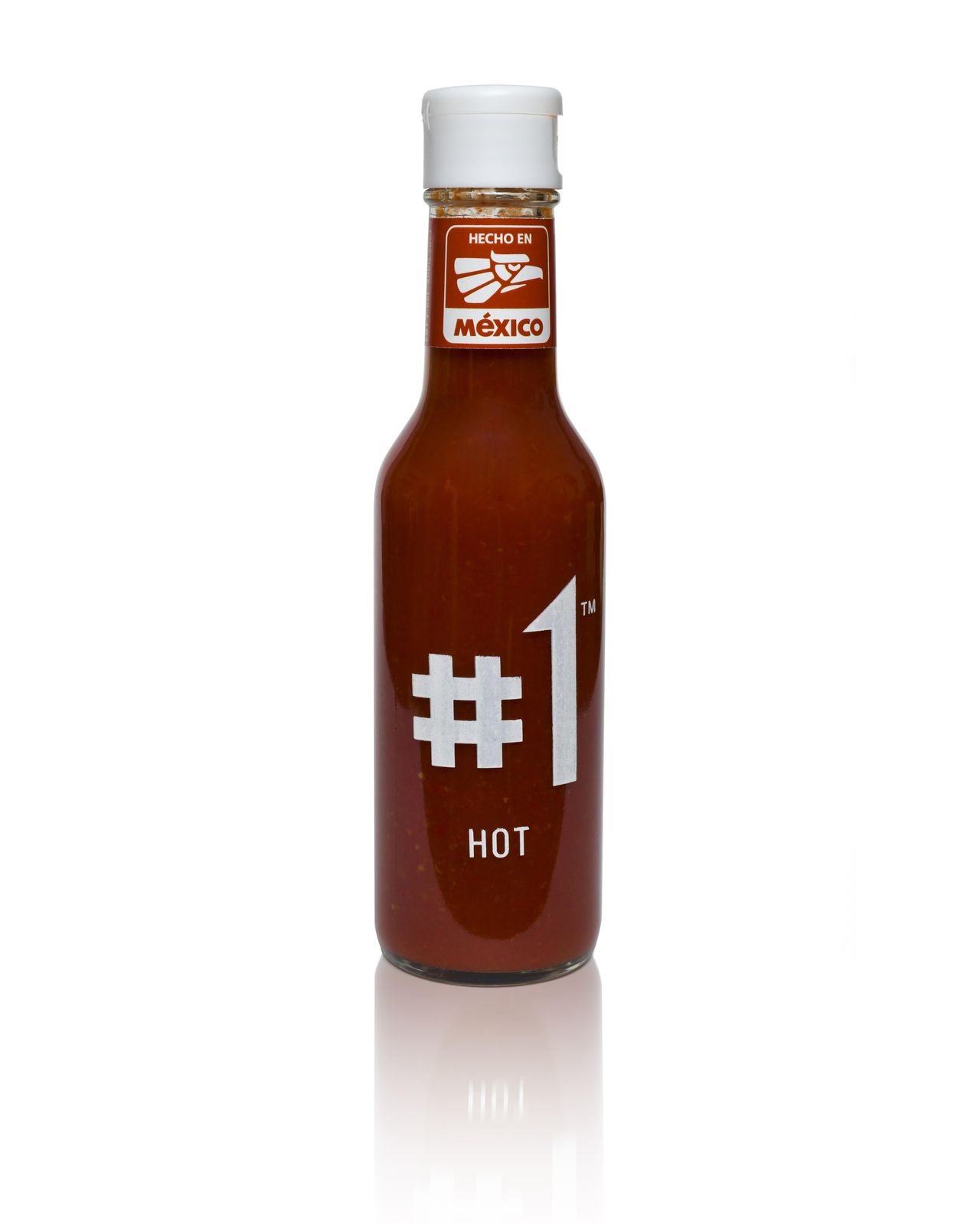
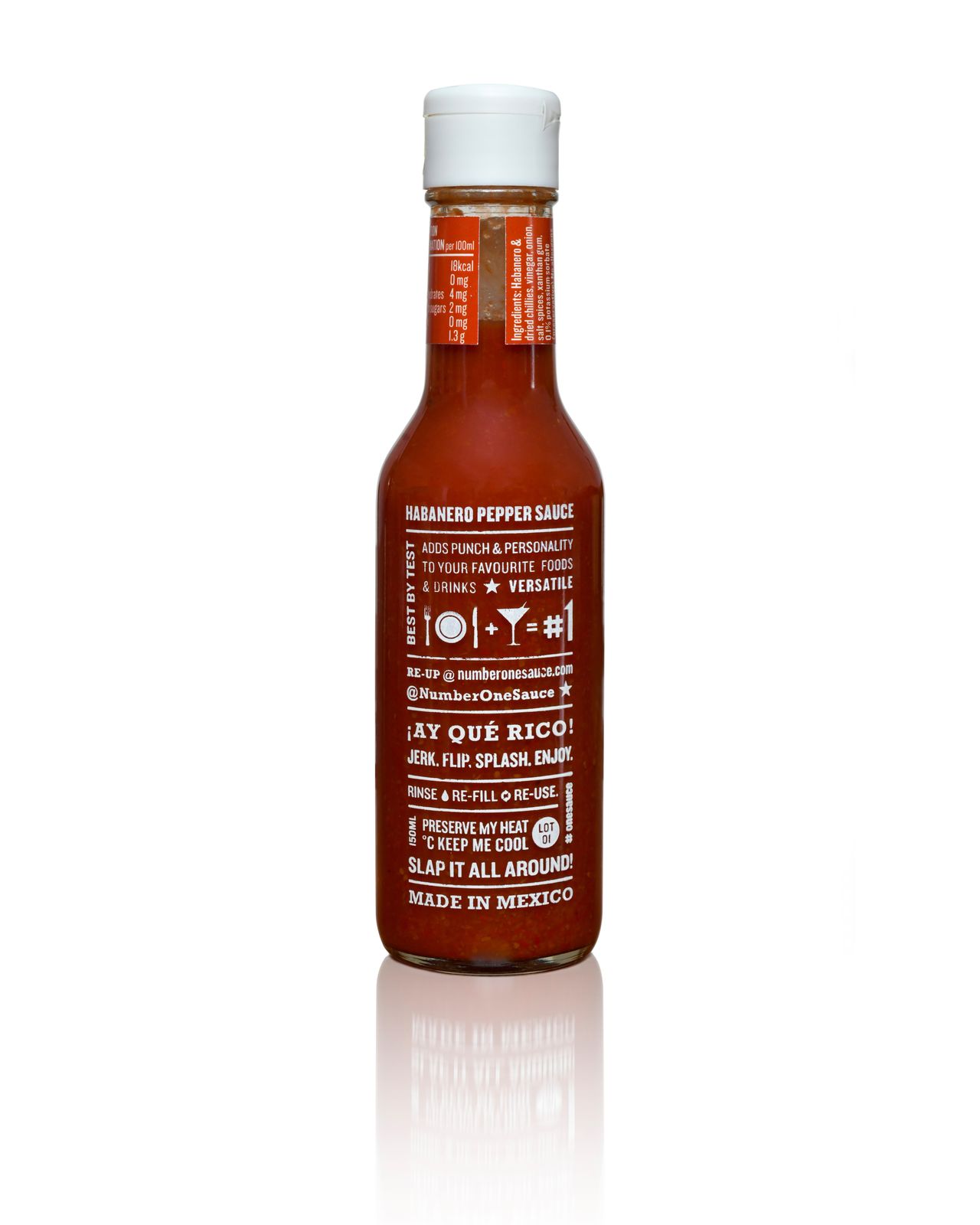
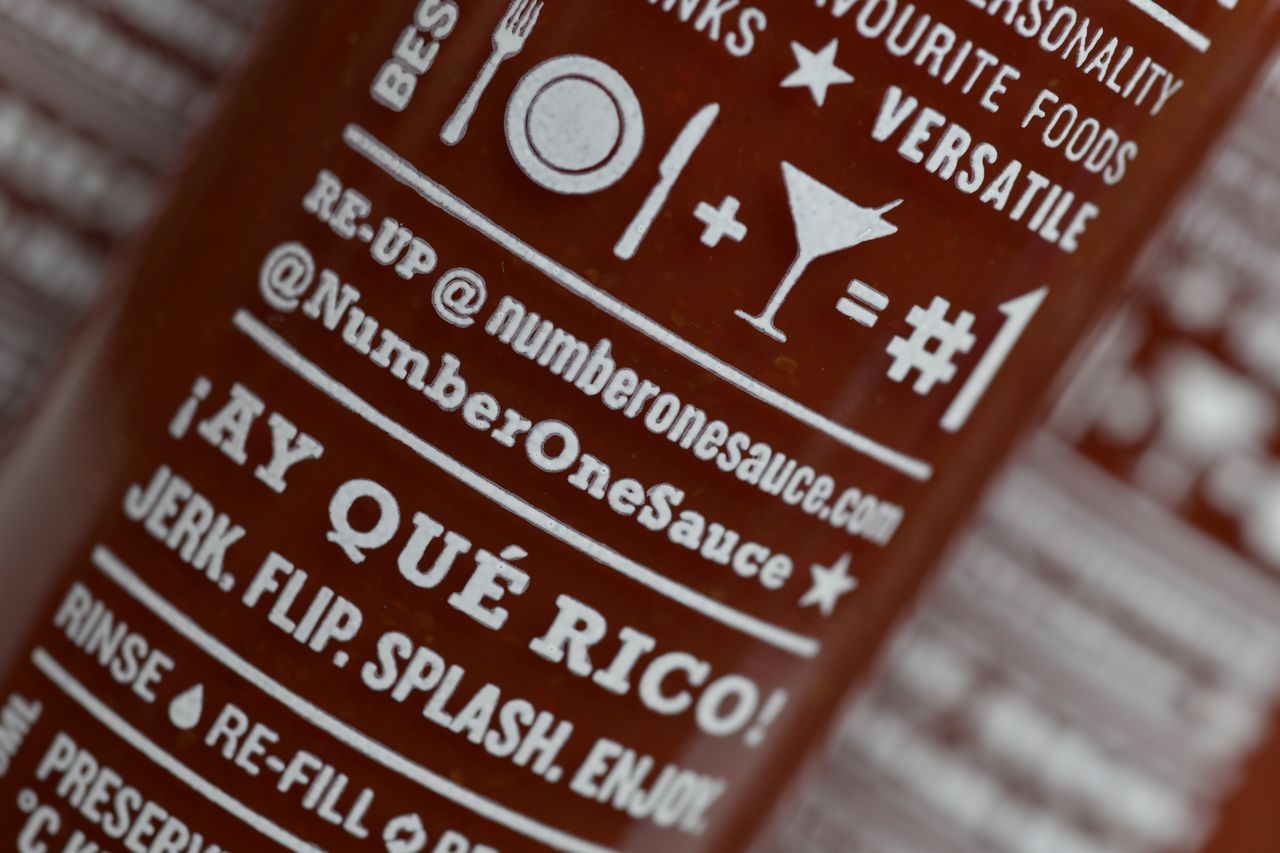
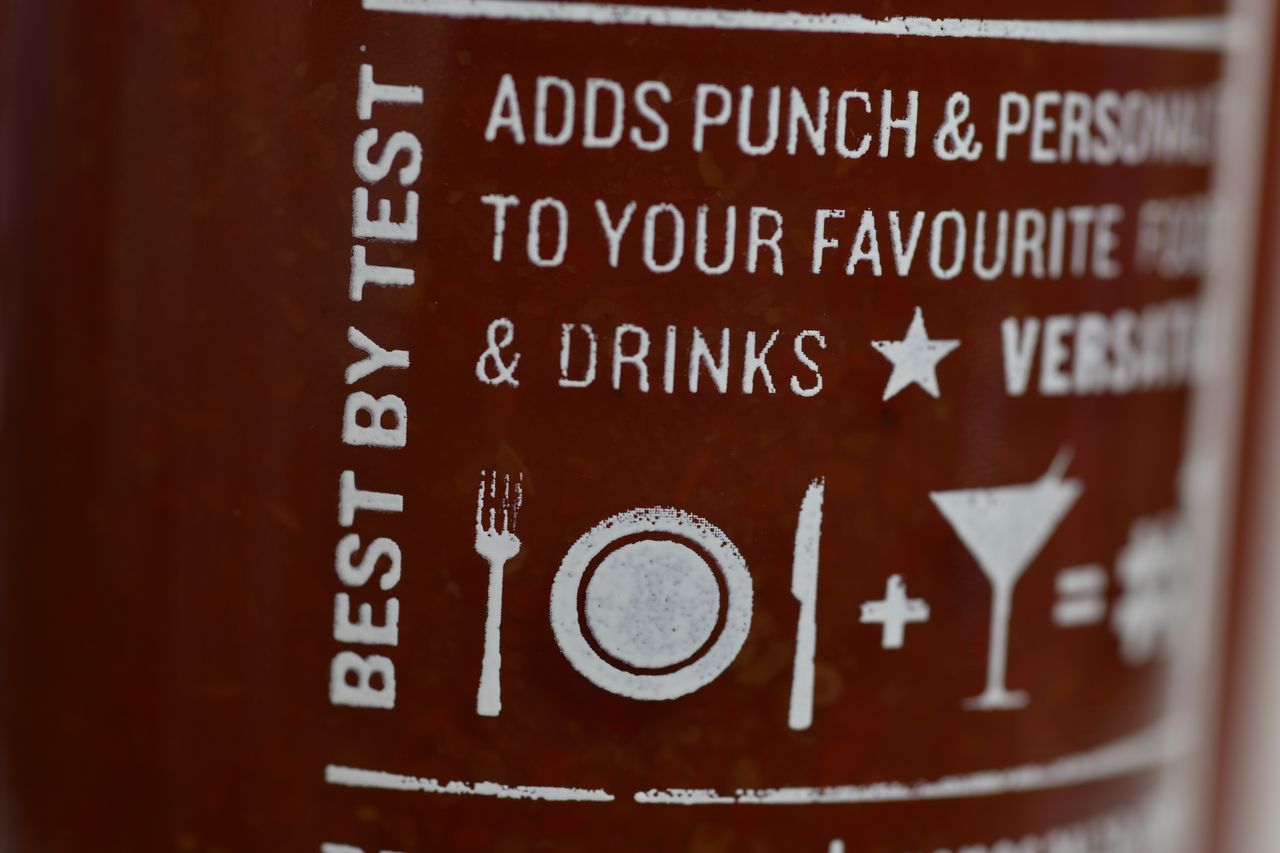
The front of the bottle was deliberately minimalist, using curiosity to make people look twice. The language was cheeky and irreverent, immediately establishing a distinct voice and turning the bottle into a talking point.
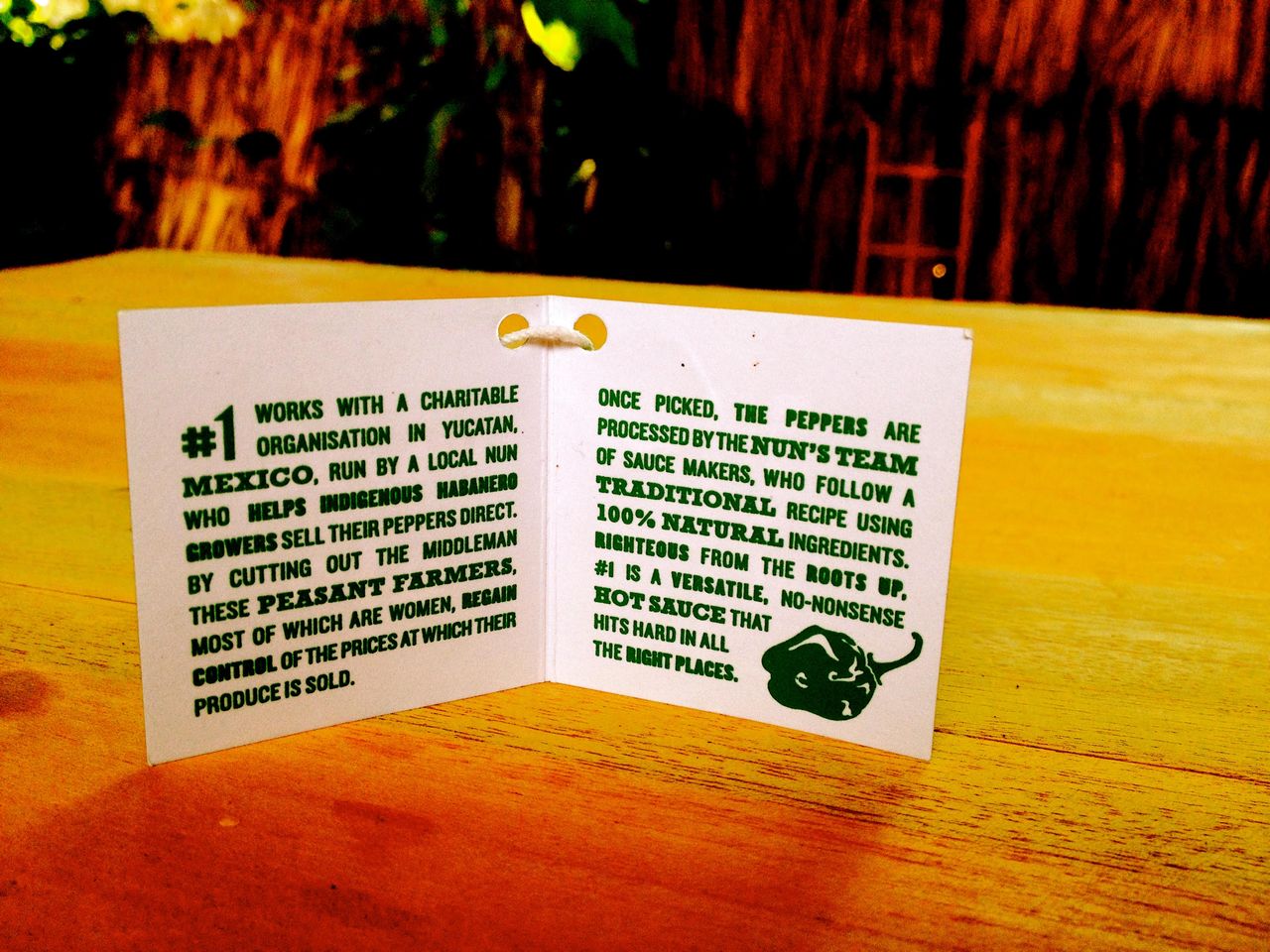
The story behind the sauce helped too. It was made by an Englishman and a Mexican nun, using produce sourced through fair-trade relationships with local farmers in the Yucatán. Rather than hide that slightly odd combination, the brand leaned into it.
Voice as the differentiator
The tone did the heavy lifting: confident, cheeky, slightly unhinged, never trying too hard.
It had to work on a shelf at a glance, but also on a bottle sitting on a kitchen table for months – something someone might be proud to pull out at a dinner party because it felt a bit different.
That same voice ran across the packaging, website, social and press, giving the brand consistency while helping it feel bigger than it was.
Build for the shelf and the search bar
The packaging had to work as an impulse buy. The website had to work for people who had already heard the name and wanted to know whether it was any good.
Two different jobs, one story.
What I made
- The product itself – a top-quality habanero hot sauce
- Name and brand identity
- Positioning and messaging
- Packaging
- Website and website copy
- Sales materials
- Launch and promotional copy
- PR
- Retail pitching and direct sales
Results
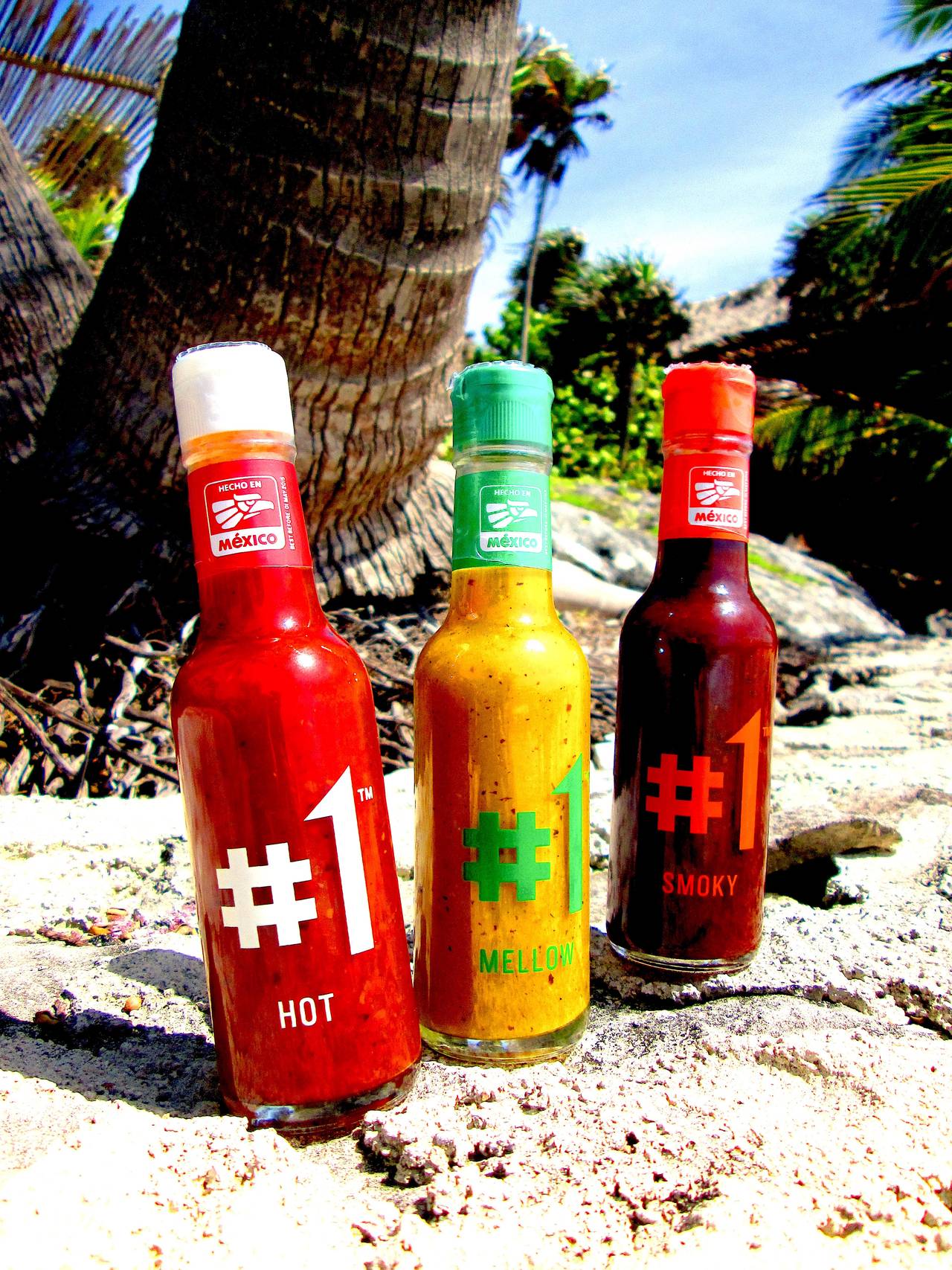
Three sauces launched – #1 HOT, #1 SMOKY and #1 MELLOW.
Independent retail distribution across the UK, alongside restaurant and hospitality accounts.
National press coverage, growing brand recognition and a loyal customer base.
What I took from it
Building your own brand – and writing every word that surrounds it – changes the way you think about copy.
Every word has a job because every word is attached to something real – a product, a customer, a sale, a bottle sitting on a shelf.
It also taught me that when the product differences are small, personality and a genuinely unusual backstory can be a huge product advantage.